Farmers in My Family
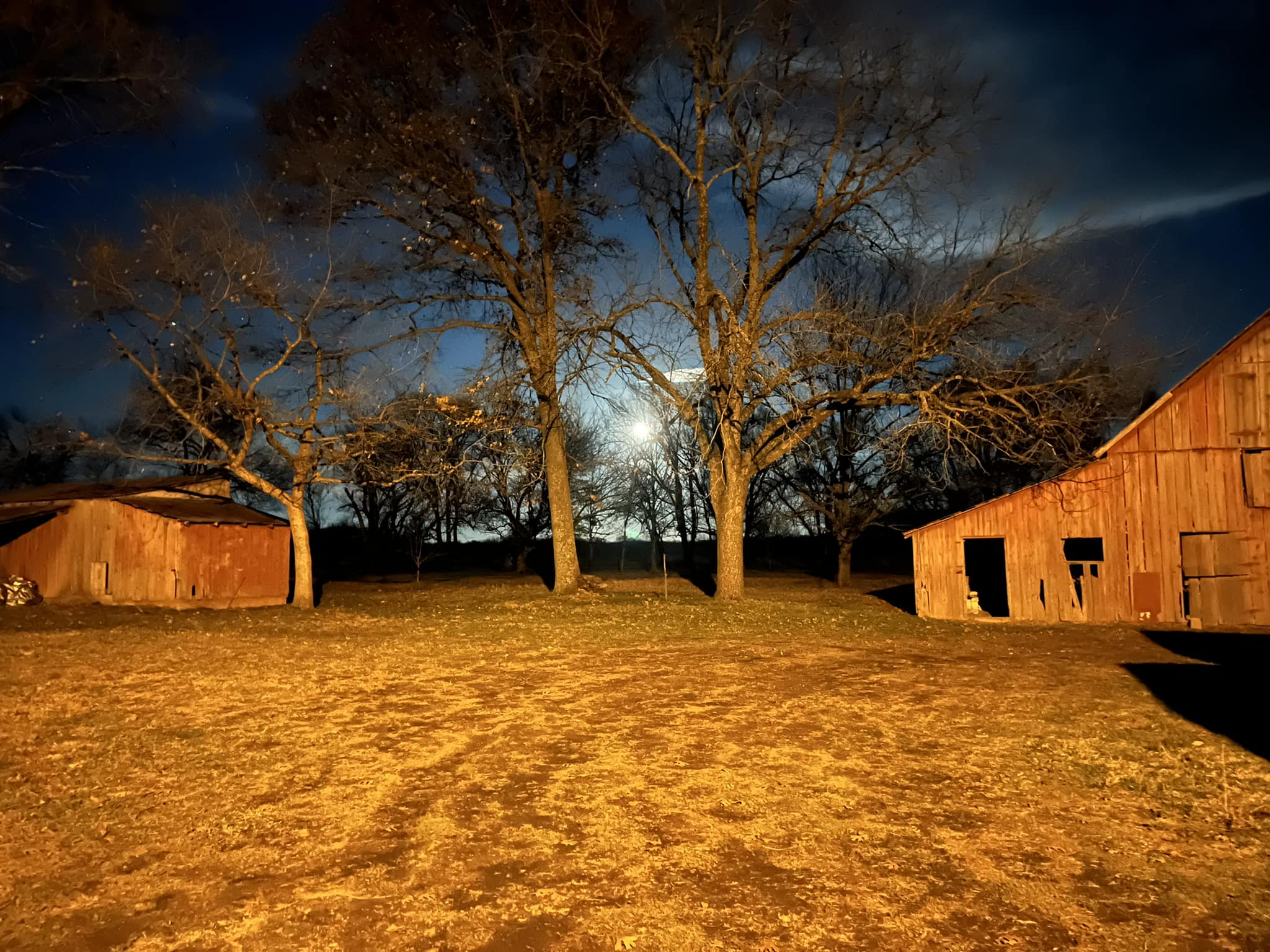
Almost all of my direct male ancestors going back to the early days of the country were, at a minimum, part-time farmers. For many, farming and farm-related activities was their primary source of food on the table, income, heat, friendships, and more.
Farming, however, was not limited to adult males. Farm-related activities existed for all but the youngest of children and the most-feeble elders. Although the women and girls were more likely to be found in the garden, kitchen, or fetching wood or water, that didn’t mean that they wouldn’t be out in the field working with the men. Even in my day, I did worked in the fields with my dad and my Uncle Dewey Stanton McCracken. For me it was mostly helping with haying, but women often helped with planting and harvesting other crops.
In addition, farm work was not limited to the barnyard and fields. Besides working in the field, caring for livestock, and milking cows, butter needed churned, sorghum needed to be processed, and food needed to be canned or dried.
For many generations, farmers didn’t just farm. They took care of everything from erecting buildings on their property to being their own painter, plasterer, plumber, and electrician after they finally got power. My dad, for example, wired the house that I grew up in for electricity when his parents moved there in 1947. When we needed, additional outlets upstairs, he simply added the wiring and the outlets with me as his assistant.
A Typical Day
The typical day on a farm depended a lot on the “farm seasons.” The seasons loosely related to spring, summer, fall, and winter, but were adjusted to Mother Nature’s ever-changing calendar. Some attributes of each day were the same seven days a week, 365 days a year (366 in leap year).
Rain, storms, heat, ice, or snow rarely stopped farm families from caring for their livestock, gathering eggs, bringing wood in for cooking (and heat in the winter), getting water for the family, etc. They were far more reliable than the post office who claimed rain, sleet, or snow wouldn’t stop them from their appointed rounds.
Planting Season
Planting season began in March with many families moving to new properties or renting farmland starting around that date. In addition to planting crops, gardens had to also be planted. For my Peelle ancestors in North Carolina, the actual planting may have been a bit earlier there than it was when they lived in Kansas or Indiana, but it was in this general time frame.
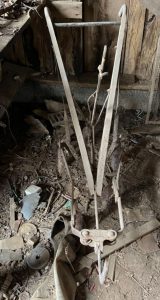
Until the 1900s, all the work was done mostly by hand with the help of horses and oxen. Machines did exist to help in the process, but they were very rudimentary.
Any time available during planting season was filled with hunting, fishing, improving the farm, and other chores that might arise.
Growing Season
During the growing season and the dog days of summer, farm families did lots of praying that nothing ruined their crops for the year.
They also tended the gardens and picked wild berries, such as blackberries, strawberries, and gooseberries. Dad said that even if you found the sweetest gooseberry in existence, there wasn’t enough sugar in the world to actually sweeten it. You could put sugar around it, but it was still going to be sour.
My Grandmother Nellie (Peelle) McCracken and her daughters canned lots of food from the garden, which was necessary to get the family through the winter and planting season s. And, when you have 10 children, two adults, and visitors to feed, it takes a lot of food.
Often alfalfa and other grasses that were grown to feed the cattle had to be cut multiple times. Thus, it grew, was harvested, and then the process repeated. Early hay balers were a lot of work. So, although you had a device, it did not make the baling process simple. Then there was the process of getting it into the barn. Today, elevators exist to move the hay into the hay loft. Back in the day, however, it had to be done by man power. One time, I witnessed men three or four high lifting bales of hay above their head. The next person would bend down, while standing on hay or a ladder, grab the bale and lift it above their head to the next person. It was quite impressive to watch.
Harvest
Harvesting of garden items started in late spring and lasted through the fall. However, the harvest season of crops was most closely associated with the fall months. Generally, it was a season of neighbors helping neighbors. When Lemuel Lawrence McCracken, my great-great grandfather, was first in Crawford County, he did a lot of threshing for people in the neighborhood.
Often young men traveled several states away to work the harvest in that location. My Grandpa Joseph Andrew McCracken, my Uncle Dewey Stanton McCracken and my Uncle William (Howard) McCracken all traveled to work the harvest.
Depending on what was to be harvested, the season could last into December. On occasion, the harvest sometimes wasn’t complete until January.
During threshing season, the women’s role typically was to cook for the crews. Of course, fall fruits and vegetables also had to be processed. My great-grandfather William Johnson Peele would turn apples that weren’t canned into apple butter.
Winter
Winter was a bit slower, but the work was sometimes much harder and there were no days off for inclement weather. During the Blizzard of 1887, farmers still had to feed and water their cattle, swine, and any other animals. In Bourbon County, it was as my great-grandfather William Johnson Peelle wrote, “Very cold today.”
For others in Nebraska and the Dakotas, that blizzard was even more challenging. Some of them simply couldn’t get to their animals or get shelter for them. Thus, many animals were lost, which in turn meant that many farmers’ livelihood was greatly threatened/diminished.
Even on an average winter day, basic care for the animals was tiring. For instance, simply making sure the cattle had water might entail chopping through the ice as my Dad did when he was operating my Grandpa Joseph Andrew McCracken’s farm during World War II.
One of the few activities that was unique to the winter season was butchering. Generally, cattle, hogs, or lambs were butchered only during cold weather since refrigeration was scarce.
Connection to the animals and the land
The farmers became very connected to their animals and the land where they lived. Grandpa Joseph Andrew McCracken believed that you should show animals respect. For instance, he felt that when horses were too old to be used in the fields, that they should still be taken care of for the remainder of their natural life. His belief was that they had helped you plow and harvest your fields that the least you could do is show them respect and take care of them in their golden years.
Likewise, Grandpa McCracken really didn’t want to sell his horses after he bought a tractor. However, he finally did, as he couldn’t justify keeping them.
The Dangers
Mother Nature
Most people don’t think of farmers as gamblers. However, they continually gambled their entire livelihood – and Mother Nature always had the upper hand. They dealt with grasshoppers, which forced great-great Grandpa John Charles Jury to abandon his home in Bourbon County, Kansas when the grasshoppers stripped the fields.
Farmers also dealt with droughts, floods, and bad weather. For them, severe weather could mean the loss of an entire year’s crops. The Dustbowl years were very hard on many farmers.
Injuries and Death
Many farmers, including men, women, and children were injured or died doing farm work. Ivan Pellett, the son of my great-grandfather Henry Pellett’s brother Ezra, was badly injured at age 12 when he got caught in a corn stalk cutter. His right leg was badly injured between his ankle and his knee and his left leg was broken. Ivan survived his injuries.
William Ellis, a nephew of my great-grandmother Rosa Isabella (Ellis) McCracken Apt, wasn’t so lucky. He died at age 14 after being kicked in the abdomen by a horse.
Dad was very lucky with regard to injuries. Among other things, he was run over by a tractor, had a wagon run over his ankle, and got his jacket caught in a corn picker. Yet, he received no major injuries.
 The Rewards
 The Rewards
Life was difficult, but often very rewarding. There is something to be said for working with your own hands. Feeding, clothing, and keeping the family safe gives a person a sense of accomplishment that many people have never felt, no matter how successful they are.
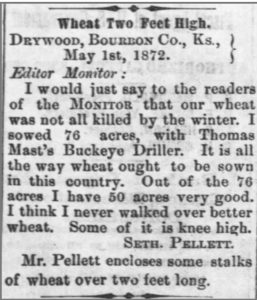
There was lot of friendly competition over who could grow the tallest corn, the biggest pumpkin, and more. Multiple members of my family were very proud of something they had grown. The typical routine was to take it to the newspaper office, who loved to published stories about the items. My great-great grandfather Seth Pellett was one of those men. He took some samples of his wheat stalks to the newspaper office one day.
It also meant working with your neighbors out of necessity. What grew from that was wonderful close friendships – even with people who had different points of view and different backgrounds.
Such a life would greatly benefit people today. Far too many people have too much time on their hands and not enough work ethic. Saying that people need to work hard to stay alive may sound cruel or mean. However, it strengthens a person and gives them true pride in the things that they accomplish.
Prompt: Working for a Living
#52ancestors52weeks