I found a document amongst my parents’ papers that is from the settlement of my great-great grandfather George Andrew Thomas’ estate. Multiple attributes of the document were inconsistent with other estates and the laws as I knew them. But, why?
Who was George?
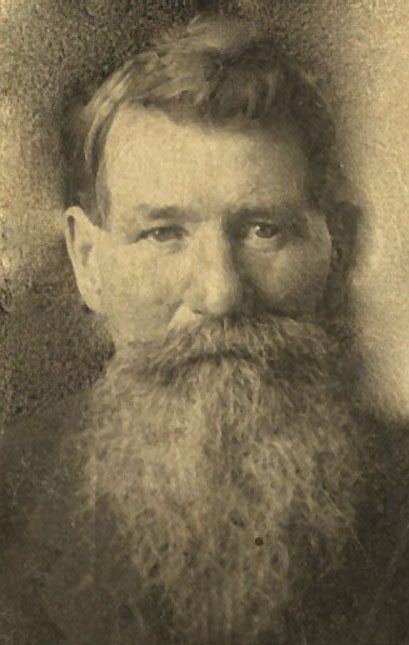
George Andrew Thomas was born October 17, 1847 in Callaway County, Missouri. He was the son of Henry and Elizabeth Brown Donaldson Thomas. Read about Henry’s experience during the Indian Wars.
In 1869 George married Louisa Madeline Carson. They had two children in Andrew County, Missouri (near St. Joseph) where his parents had moved.
Then, in 1875, George and Louisa moved to Bourbon County, Kansas by covered wagon, where their last two children were born.
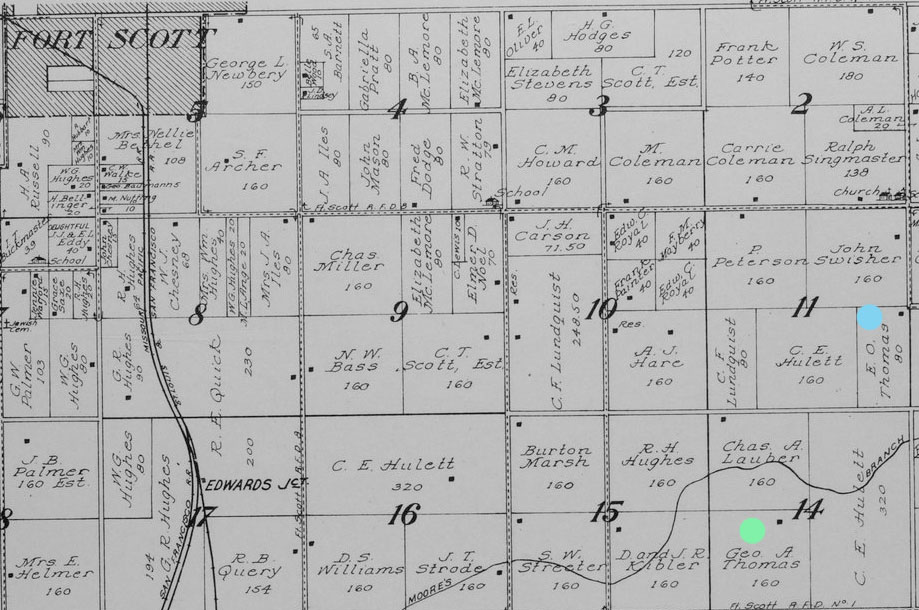
George farmed on his 160-acre farm southeast of Fort Scott. He owned the farm (indicated by the green dot on the map) at his time of death. However, in his later years, he lived with his son Owen (indicated by the blue dot).
The Document
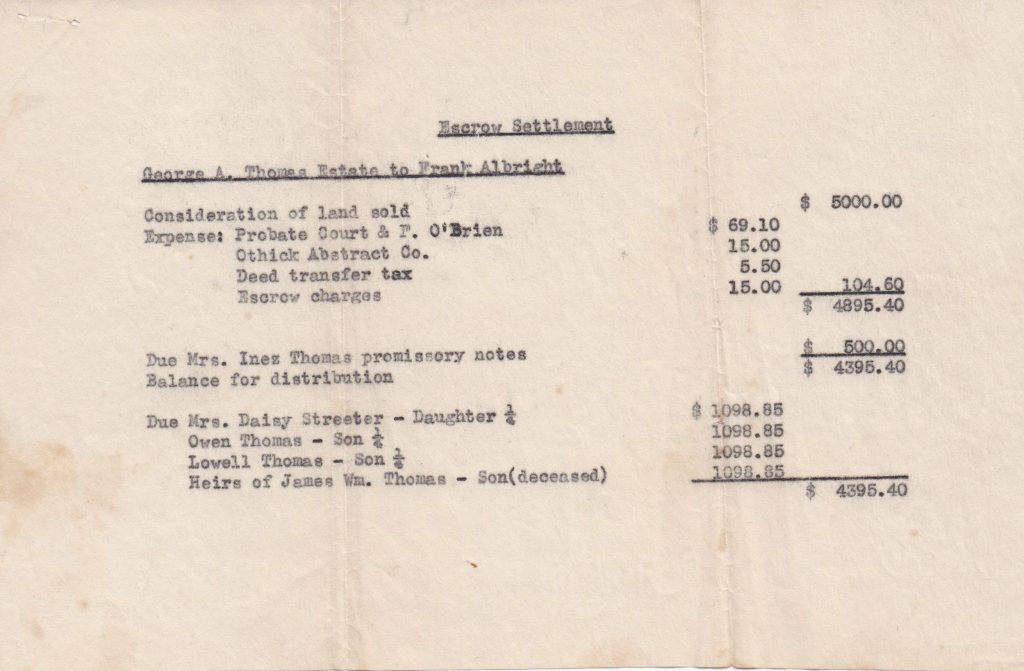
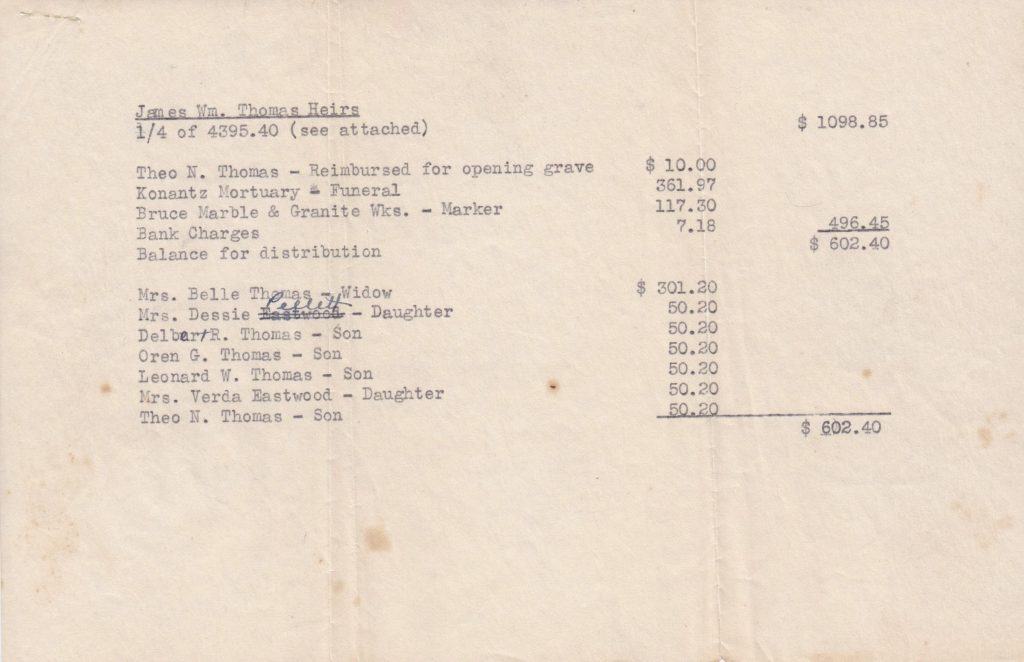
The paper was undated, but showed the distribution of funds to his heirs. There was a sale of land, a promissory note due to his daughter-in-law Inez Thomas, and a few expenses. The balance for distribution was to be divided between George’s four children as his wife Louisa Medeline (Carson) Thomas had died many years earlier. The portion for his son Will, who had also died, had additional expenses deducted and was then further divided between his wife and children.
The Questions
The document raised several questions. First, why weren’t the funeral expenses deducted prior to splitting the funds? Instead, they were deducted specifically from my great-grandfather James William “Will’s share. In addition, it showed no cash on hand or money from a sale other than the sale of his real estate.
Also, why did Will’s wife get part of the distribution instead of it going solely to his children since he was also deceased?
The Answers
I scratched my head and thought of many different scenarios. By doing some research and asking Grok(AI) a lot of questions about Kansas law regarding estates, it turned out to be a relatively simple answer.
Money Included for Distribution
It appears the document was only for the sale of the real estate. All other income and expenses must have been handled separately. This was common practice given many other items could be handled more expediently than the sale of real estate.
Since this is a document solely related to George’s real estate, only expenses for the sale of property were deducted prior to distribution. The promissory note owed Inez Thomas must have specifically been related to the property. Alternately, it could have been something that was overlooked in previous proceedings.
The Handling of Will’s Portion of the Estate
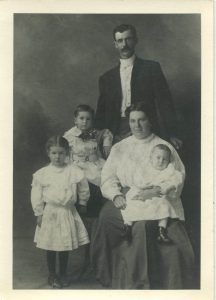
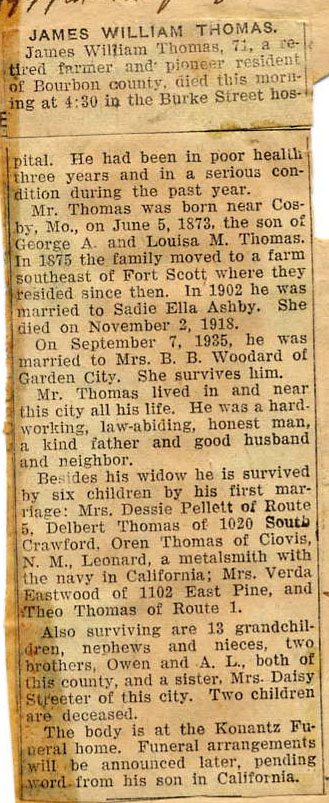
The key to understanding how Will’s portion of the estate was handled resides in understanding the death dates of George and Will. George died on November 9, 1943. At the time of George’s death, his son Will was still alive. At the time George died, his beneficiaries become “fixed” (K.S.A. 59-502). Thus, Will inherited one quarter of his father’s estate.
Subsequent to George’s death and prior to the distribution of the funds from the sale of the real estate, Will died (December 14, 1944). Therefore, his portio
n of his father’s estate effectively became part of his estate.
Thus, the funeral expenses that are deducted from Will’s portion are for his funeral, not for George’s funeral. They are deducted here because they must be paid and this is a convenient, efficient way to pay them or alternately he does not have a large enough estate to warrant going through probate (K.S.A. 59-1301). This also explains why Will’s wife Belle (Woodard) Thomas received half of the money with the remaining half split between their children. (K.S.A. 59-504)
If Will had died prior to his father dying, Belle would not have received any money from George’s estate. Instead, it would have been split between his six living children (multiple children died in infancy).
Thus, what started as a very confusing document that seemed to contract typical estates ended up being easily explained by the timing of George and his son Will’s deaths.
Featured Image: George Andrew Thomas
AI Used: Grok for legal research
Prompt: Conflicting Clues
#53ancestors52weeks